October's Environmental Tip: What to Do with All the Fallen Leaves?
When the leaves, with their magnificent display of colors, fall from the trees and shrubs, the same question always comes up: "What do we do with all these leaves?"
The answer is often simpler than you might think: In the garden, fall leaves are truly versatile. They protect the soil, provide nutrients, and offer food and shelter to many animals.
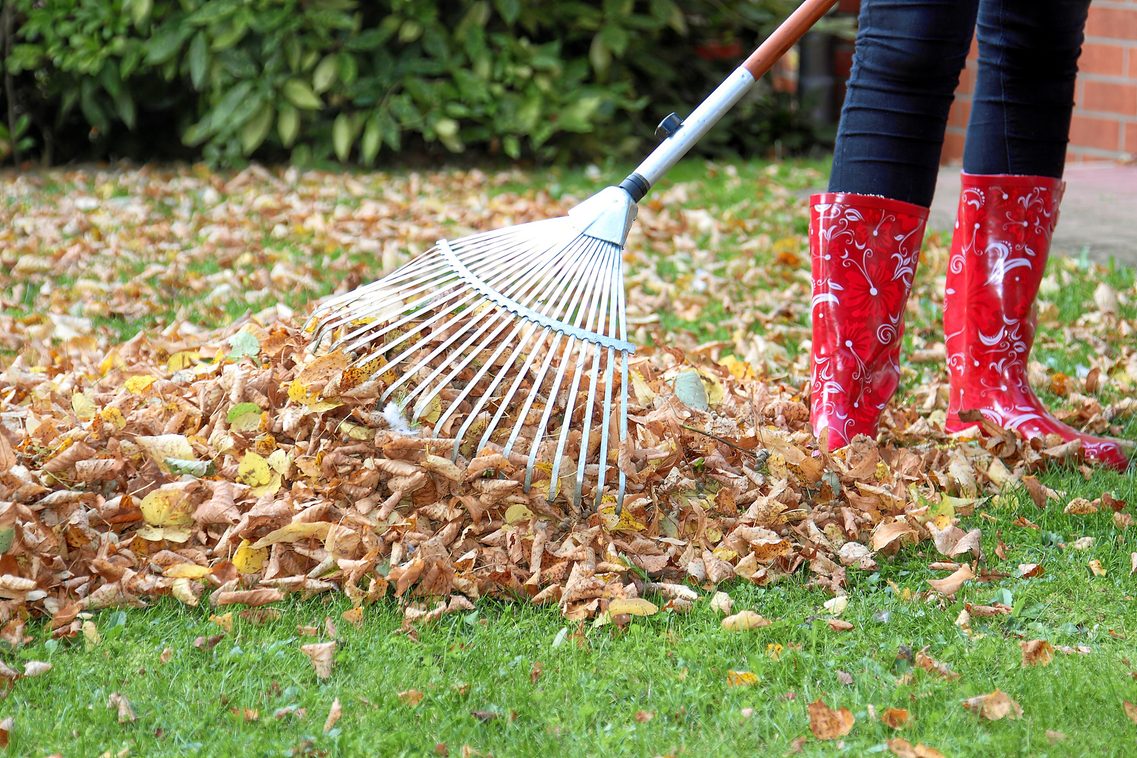
Here are seven tips from the Environmental Advisory Service on how to make good use of the leaves in your garden:
1. Leave them where they are
Whenever possible, leave the leaves on your flower beds—at least until spring. They contribute to natural soil and humus formation and provide shelter and habitat for small animals. Small soil-dwelling animals break down and decompose the leaves. This releases the nutrients they contain, making them available to plants once again.
The layer of leaves also protects the soil from drying out and prevents it from being eroded by wind and weather. For animals and plants, it serves as a protective layer that insulates against heat and moisture. For insects in particular, it provides a safe place to overwinter. The insects, in turn, offer a natural food source for birds such as robins and chickadees. This is better than any form of bird feeding.
2. Building a Leaf Pile
Would you like to provide a home for a hedgehog in your garden? A pile of leaves and brushwood creates the perfect conditions. Such a pile can serve as a veritable “animal hotel.” In addition to hedgehogs, wren and robins, common toads and shrews, as well as a vast army of spiders and insects, find shelter there. Many of these animals are helpful allies in biological plant protection!
3. Redistribute
On lawns and meadows, there’s no alternative to raking leaves, because wet leaves can suffocate the grass beneath them and cause it to rot.
Under hedges, however, large quantities of leaves can be spread out discreetly. The layer of leaves can be up to 20 centimeters deep. Twigs and prunings loosely stuck into the soil prevent the leaves from blowing away.
4. Mulching and Composting
Smaller amounts of leaves can be easily added to other compost materials throughout the year. To do this, collect them near the compost pile. Larger quantities can be piled up in separate heaps, known as compost piles, up to 150 centimeters high. Adding a few shovelfuls of garden soil or old compost in between helps speed up the composting process.
Not all leaves decompose at the same rate. Leaves from hardwood trees such as oaks and sycamores take longer to decompose than leaves from softwood trees such as fruit trees, ash trees, or maples. Hard leaves can be shredded with a leaf shredder, mixed with some compost, and then spread over the beds in a layer about five to ten centimeters thick. This way, even this layer of mulch will decompose almost completely over the winter.
5. Opt for manual labor
Leaf blowers are loud and can cause significant noise pollution, especially in residential areas. With a rake, hand rake, or broom, however, you can quietly sweep up the leaves.
Doing without leaf blowers and vacuums also has benefits for wildlife. Leaf blowers generate air currents traveling at speeds between 200 and 300 kilometers per hour. These currents have a bludgeoning effect on small animals. It gets even worse when the device is used as a leaf vacuum. The built-in shredder grinds up insects, amphibians, and small mammals.
If you must use such a device, low-emission battery-powered models in blower mode are preferable.
6. Dispose of Leaves Properly
If you are unable to reuse the leaves in your garden, they belong in the organic waste bin. If the bin is not large enough, the leaves can also be placed in paper bags designated for green waste. These should be placed by the curb on the day the organic waste bin is emptied.
Green waste paper bags, priced at 2.00 euros, are available in Wiesbaden at all recycling centers, local administrative offices, and the environmental store.
Leaves from trees or shrubs that are infested with fungi or parasites also belong in the organic waste bin. If these remain in the garden or end up on the compost pile, they can contribute to the spread of diseases the following year.
7. Do Not Burn Leaves
Burning leaves results in the loss of nutrients for the recycling cycle and pollutes the air. Therefore, this is permitted only in exceptional cases.
If there are compelling reasons that make burning leaves necessary, the leaves may only be burned outside of built-up areas and at specified times. In addition, prescribed minimum distances from buildings, streets, and property lines must be observed.
For more information, please see the “Freizeit Gartenzeit” flyer. If you have any questions, staff members from the Environmental Agency’s Air/Noise Division can assist you at the following phone numbers: (0611) 313854
Documents
Further information
Contact us
Environmental store
Address
65185 Wiesbaden
Postal address
65029 Wiesbaden
Arrival
Notes on public transport
Public transportation: Luisenplatz stop.
Telephone
- +49 611 313600
- +49 611 313957
Opening hours
- Monday, Tuesday, Friday Saturday: 10 a.m. to 2 p.m.
- Wednesday, Thursday: 1 to 6 p.m.