Wiesbaden Roman Days: In the Footsteps of Aquae Mattiacorum
Roman History and Hot Springs: On September 26 and 27, the Wiesbaden Roman Days at the Werkraum invite you to discover the city’s roots. The program features exhibitions, interactive history presentations, hands-on activities, and city tours.

Wiesbaden owes its founding and development as a spa town—and later as a world-renowned health resort—to a natural treasure: its hot springs.
The Romans were already using the thermal waters some 2,000 years ago. Under the name Aquae Mattiacorum, Wiesbaden was known as a healing and spa resort as far away as Rome.
During the Wiesbaden Roman Days, this early history of the city will come to life on Saturday, September 26, and Sunday, September 27, as part of the city festival at the Werkraum.
The Roman Days invite history enthusiasts and families with children alike to discover Wiesbaden’s roots. The goal is not just to teach history, but to bring it to life—so visitors can touch it and get involved.
The connection to the Romans is an important part of Wiesbaden’s cultural heritage. However, there is little evidence of this in the city’s current landscape. The Roman Days are intended to raise awareness among residents and visitors alike of Wiesbaden’s Roman era and its 26 mineral and healing springs, as these are of great significance to the city’s identity and to Wiesbaden’s appeal to visitors from outside the city.
Exhibits on the Romans and Hot Springs in Wiesbaden

The exhibitions “The Romans in Wiesbaden” and “Hot Springs—Wiesbaden’s DNA” offer scientifically grounded insights into Wiesbaden’s Roman origins and the special significance of the thermal waters for the city’s development.
Puzzle stations invite visitors to explore historical topics in a playful way.
How the Romans Lived 2,000 Years Ago
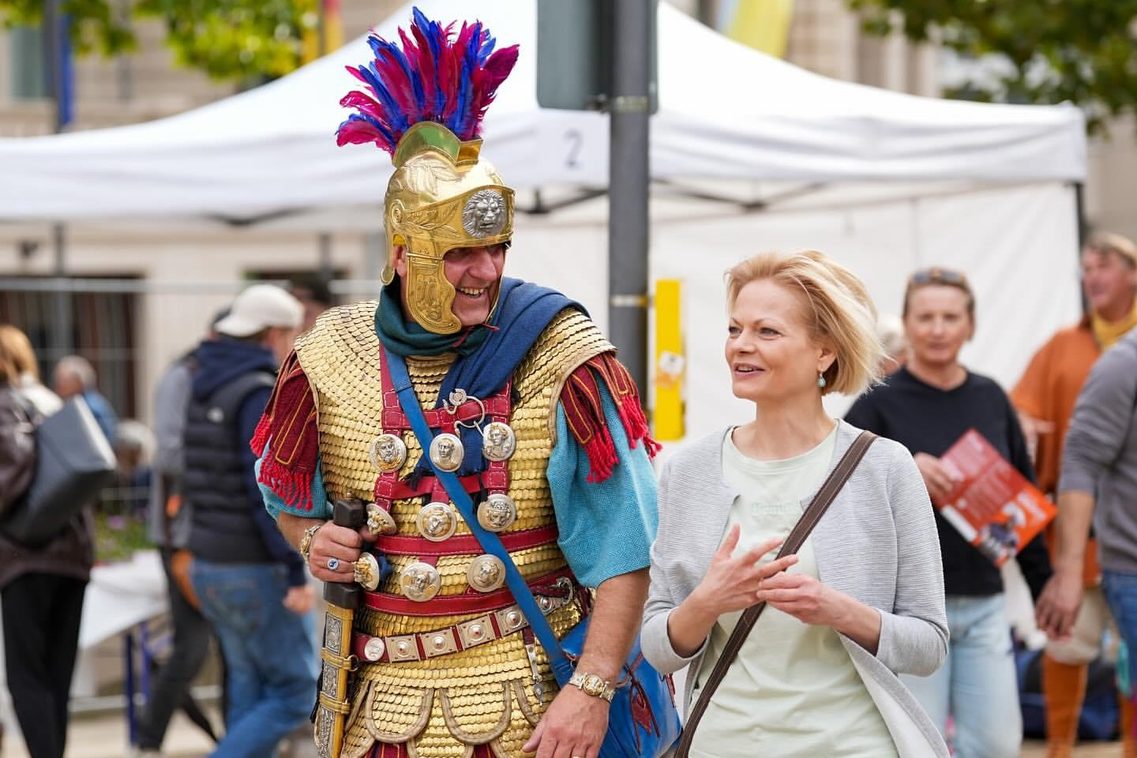
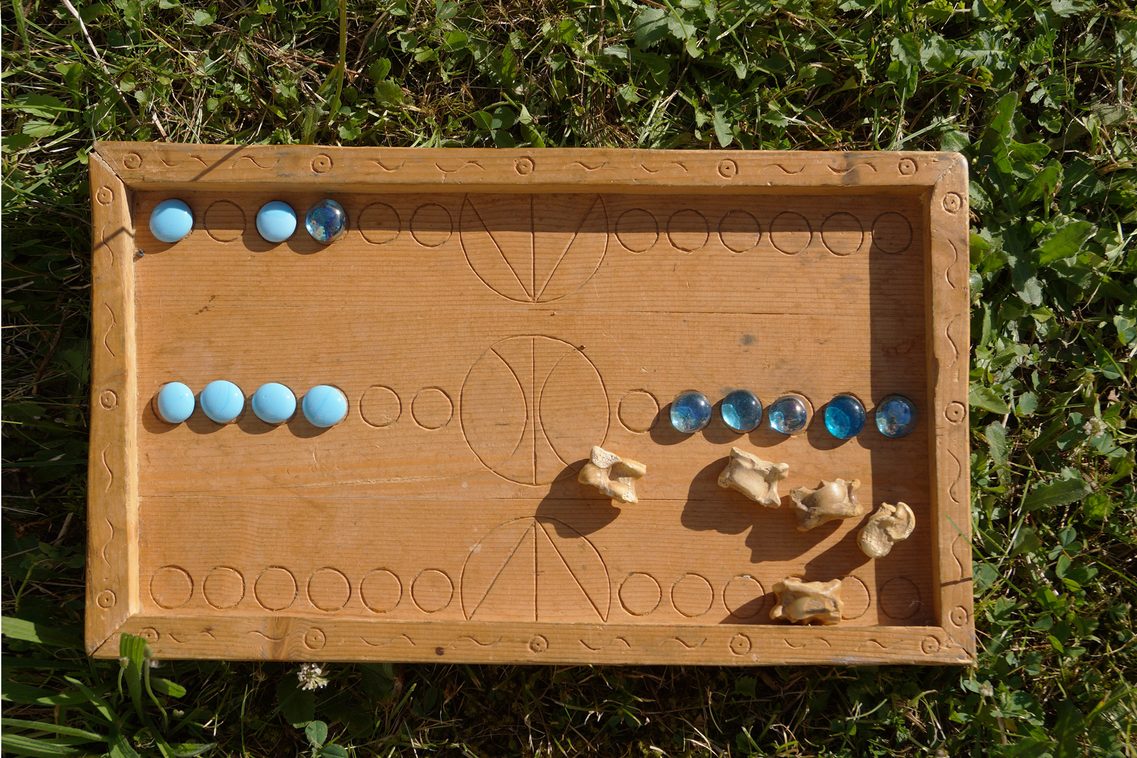
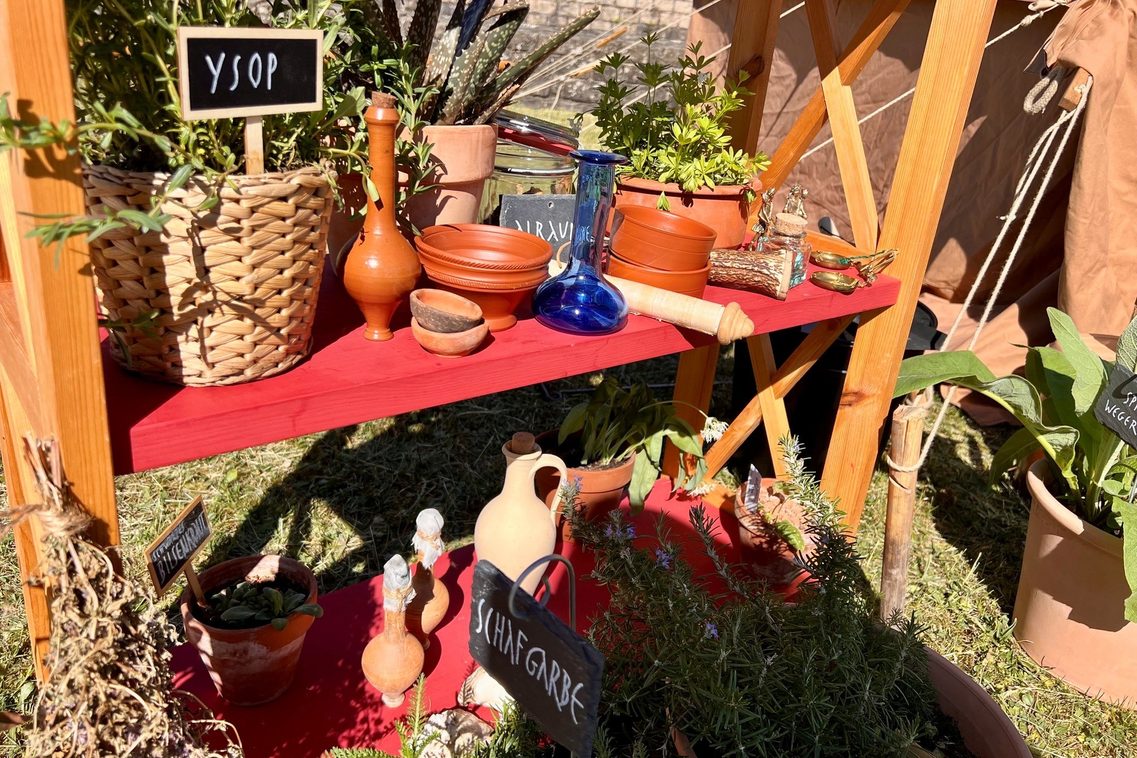
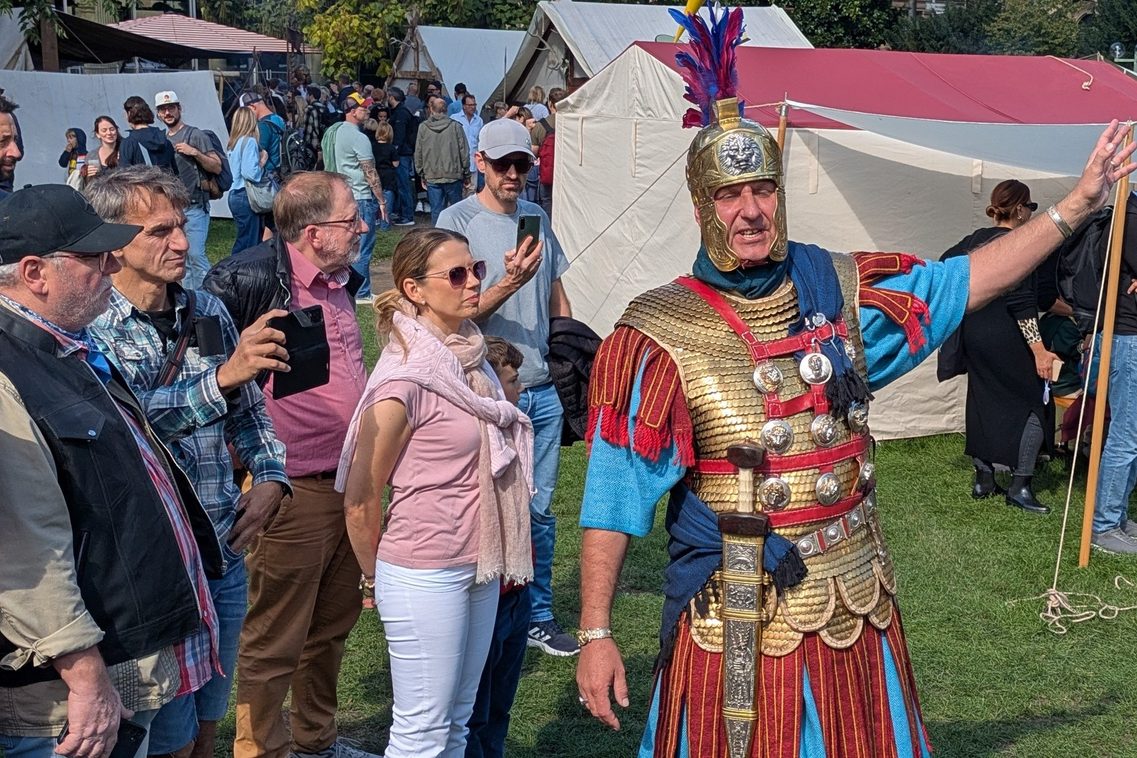
Various Roman reenactment groups demonstrate how people lived 2,000 years ago. Visitors can not only watch, but also experience it firsthand and try things out for themselves:
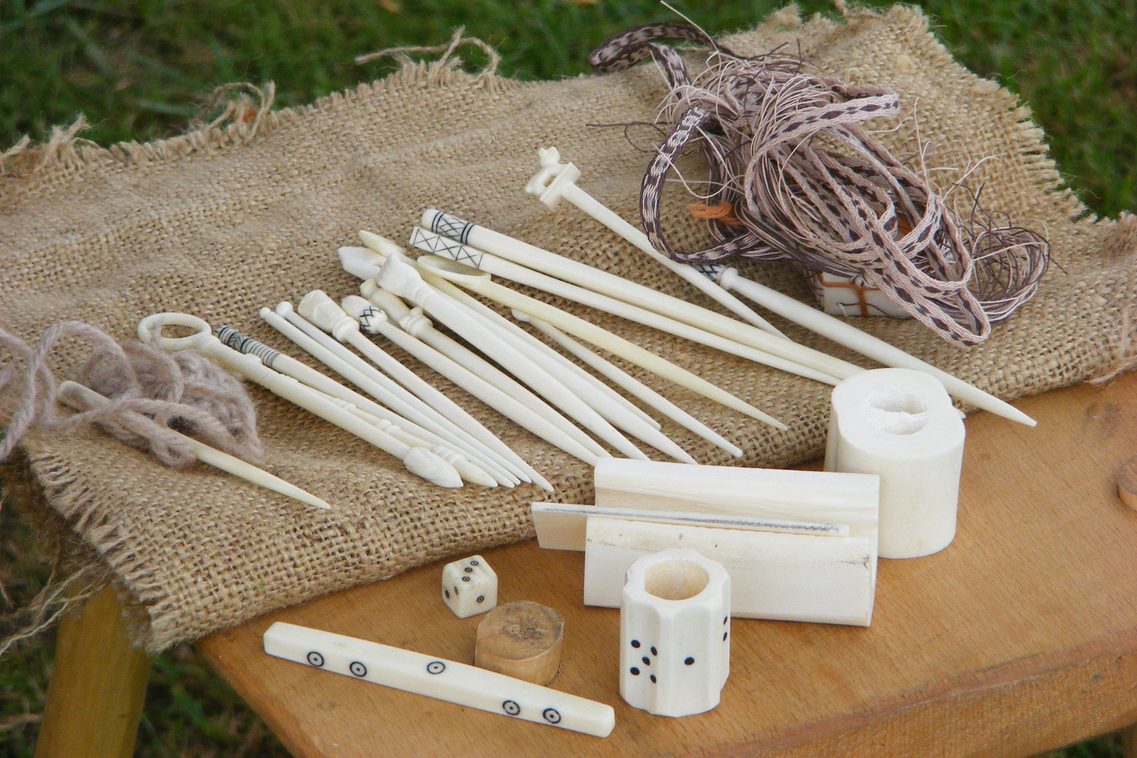
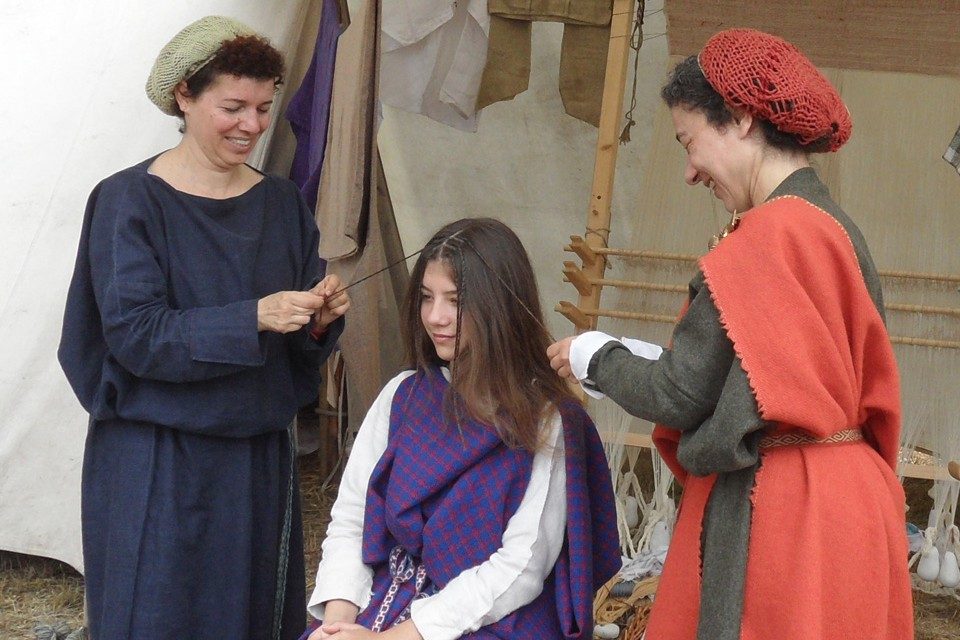
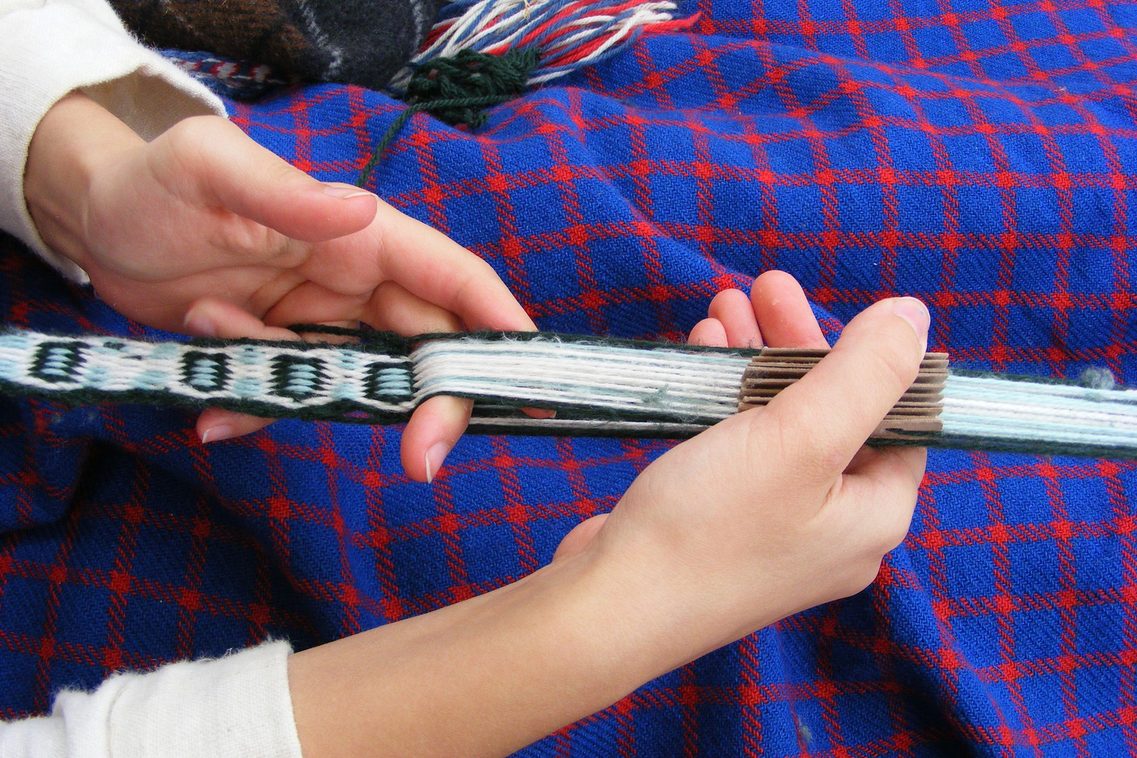
- Ars Replika e. V. invites visitors of all ages to discover the daily life of the Germanic tribes in the vicinity of Aquae Mattiacorum nearly 2,000 years ago: Hand-spun yarns, ornate woven trims, or the nearly forgotten material of bone with its very own aesthetic—participation is strongly encouraged! Maybe you’re the type for a Suebi knot? A hairstylist will style your hair based on archaeological finds. And share the Germanic peoples’ legendary passion—just like the historian Tacitus—for ancient board games!
- The Roman poisoner Fabia takes visitors on a journey into the fascinating world of ancient botany. Amid potent medicinal herbs, intoxicating plants, and deadly poisons, she demonstrates how people in antiquity used plants—for healing, sedation, poisoning, and religious rituals. The lines are blurred, because the same plant could save a life—or end it.
- Civis Nemetum is dedicated to Roman bathing culture as well as historical ointments and cosmetics.
- Praefectvs Castrorvm Legionis XXI provides historical context and fascinating stories from antiquity.
Walking Tours to the Hot Springs

The city center also becomes a stage for history: On walking tours of the hot springs, participants can discover hidden thermal water sites and learn about the city’s “bubbling” history.
The walking tours (duration: 1 to 1.5 hours) start on both days at 11:30 a.m. and 2:30 p.m. at the Werkraum; no prior registration is required.
Participation is on a donation basis—a contribution of five euros per person is requested.
Hands-On Educational Activities at the Museum

The program is complemented by the open workshop “Writing Like the Romans” hosted by the sam – Stadtmuseum am Markt (Saturday: 11 a.m. to 5 p.m.; Sunday: 11 a.m. to 2 p.m.).
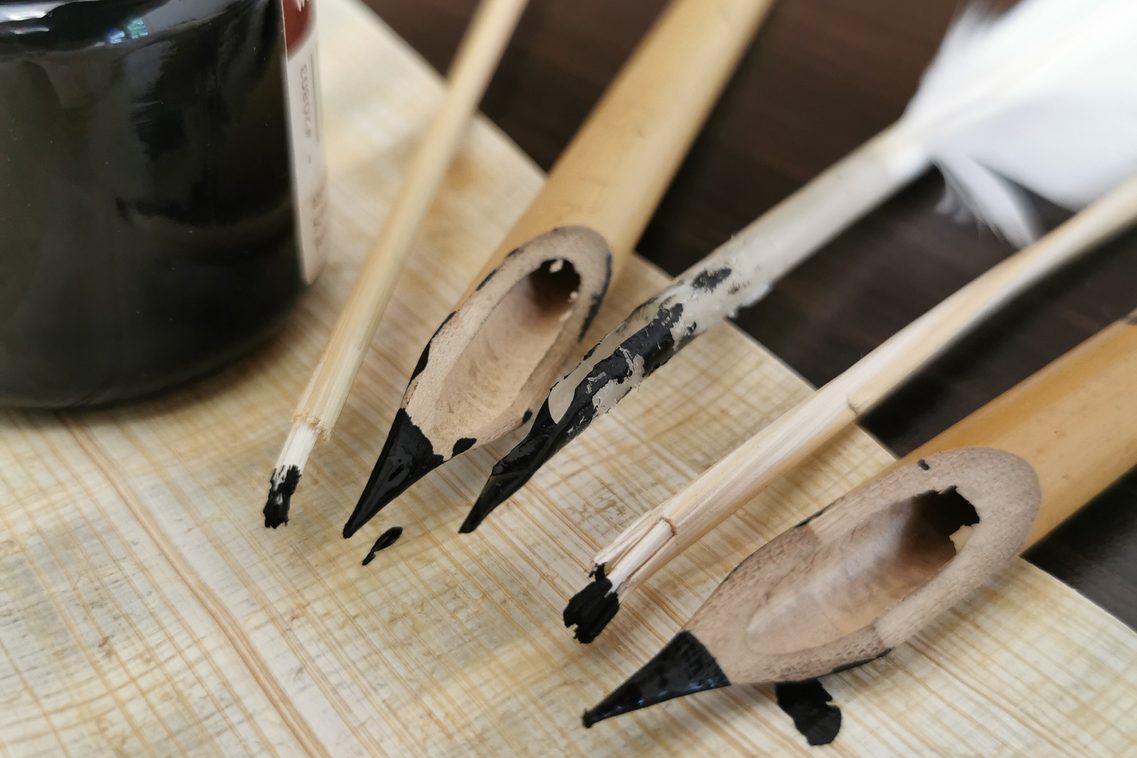
In the writing workshop, participants will work with Calamus, ink, and papyrus to learn about life in a Roman scribal workshop. What are the unique characteristics of papyrus, parchment, and wax tablets? What were pumice and quills used for? What did Roman script look like, and how did the Roman alphabet differ from ours?
At the Roman writing desk, they’ll try their hand at writing with ink, reeds, quills, and rushes, and create their own bookmark out of papyrus.
The workshop is free for adults and children ages six and up; no registration is required.
In addition, the Friends of the Wiesbaden City Museum (Förderverein Stadtmuseum Wiesbaden e. V.) will be providing information about its work at an information booth.
Event information
- Organizer: Citymanagement Wiesbaden in cooperation with sam – Stadtmuseum am Markt.
- Location: Werkraum, former sports arena, Langgasse 5–9, Wiesbaden
- Hours: Saturday, September 26: 10 a.m. to 7 p.m.; Sunday, September 27: 10 a.m. to 6 p.m.
- Admission: Free