The Little Big Ganesha
Your new yoga home in Wiesbaden: Little Big Ganesha is more than just abs, legs and bottom, but a practice that challenges you - body and whole being. It takes you to your core, changes you sustainably and gives you depth for a resilient life. Tradition with a modern approach and a supportive community. Ready for real growth?
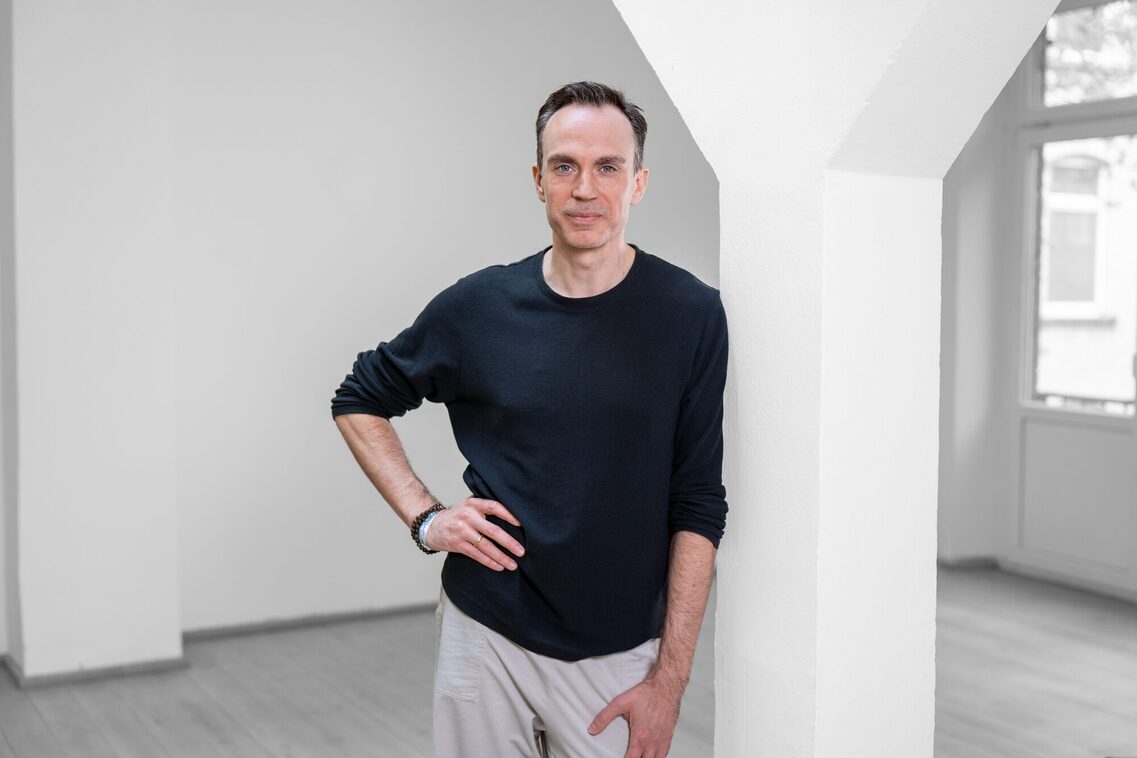
Company: The Little Big Ganesha GmbH
Founder: Holger Kobler
Date founded: February 14, 2025
Industry and company: Health, mental health, fitness
What drives you? What is your motto?
My goal is to help people feel better about themselves in an ever-changing world. That's what gets me up in the morning!
What is your startup about and what makes it special?
It's about creating a place that provides the foundation for a safe space and then bringing the tradition and essence of yoga to life there. Lived in a modern way, because yoga has evolved as an experiential science. Here, we want to live and develop this science in an innovative way. In short: a magical place, experts in the field, a community that supports you. Not for Insta, but for you!
What are your first successes?
During the start-up phase, there was a dynamic around the branding of the studio that I didn't think was possible. Before opening, we were able to get a large number of people excited about us, who have been practicing a lot of yoga with us since day one. The biggest success is that people love the place. It's also interesting to note that the business plan is working out.
What is your professional background?
After almost 20 years in sales at American start-ups, I realized at some point that there were other interesting fields out there. Other working models. On closer inspection, it became clear that what I wanted could only work if I was self-employed. Then it was time to pluck up my courage!
What prompted you to start your own business?
Once it became clear that yoga was the way forward, I quickly realized that it would be difficult to make a living in this field if I were to teach three classes a week as a salaried teacher. Unfortunately, this type of work is not really considered a profession and is not paid accordingly. I also wanted more than I could achieve without my own space. I wanted to reach more people, help teachers realize their potential, and be able to pay them well. An analysis of the market and other factors, such as location and opportunities to develop the studio in the future, led to the decision to start my own business.
Who advised you, who are your helpers and mentors? Many
people helped me here. First of all, it helps if you have worked for start-ups for a long time. Then it was important to find people from the industry, from the family, and so on, who could support me with their opinions, advice, and actions. I am grateful for the endless support of my wife! We had to be clear about what this 180-degree turn in our careers meant. It wouldn't have been possible without her acceptance. My own yoga teacher is still my mentor for the start-up. She has been running a very large yoga school for 20 years. Then there was the house bank, the tax advisor, and many other experts who had to be consulted beforehand. What type of business, what funding is available, how do you actually do it?
What was your experience like during your first days as a founder?
Absolutely crazy! We opened with an open house and the studio was full of wonderful people who celebrated with us what we had been preparing for months. The day itself felt like it was being controlled remotely. It was overwhelming how many people liked what we had created. Even now, three months later, I still find it hard to comprehend what actually happened in those first few days.
What was your biggest challenge and how did you overcome it?
We were under a lot of pressure before the opening because we had to go through several months of renovations that took longer and were more expensive than planned. In general, for all problems, because there are many, seek advice and help, break the problem down into small parts, and solve it step by step. If it becomes too much, take a step back and give the issue more space. Creative solutions need space!
How do you draw attention to your business? What is your best marketing idea?
First, understand who your target groups are, then find out where you can best reach them. Mix your go-to-market with the budget/time along these lines, which will then develop. Plan a strategy around this. In addition, it is important to enter into partnerships that help both parties to get more customers. For us, it was 50/50 between online and offline advertising at the beginning. Today, it's 70/30.
How did you finance your start-up?
Whether it's your own funds or bank loans, the range can be very wide. A brief insight should also give others food for thought. After a little research, it was clear that we wanted to work with a subsidized KFW loan. This offers a mixture of investment funds and operating resources.
What dream would you still like to realize?
The studio should be a place for people who are looking for a better life and show them possible ways to achieve it. If this vision becomes a reality for many people, that would be a big dream. If, in addition, the studio is self-sustaining and gives us the freedom to innovate in yoga, that would be sensational!
Please complete the following sentence: If I had more time, I would... travel
more.
What is your special tip: What would you recommend to founders?
Get help wherever you can. Test your ideas with lots of people. Talk to people who have already done it this way or another. Form opinions 360 degrees around your idea. Don't fall into the trap of looking for data that supports your idea, but challenge it honestly! Then ensure technical automation and use AI wherever possible! Failure is okay! Just understand the consequences as best you can.