
The Blue Riders
Their names are Elisabeth Epstein, Emmi Dresler, and Natalia Gontscharowa—and no one has ever heard of them. The exhibition, on view at the Museum Wiesbaden through February 21, shines a spotlight on the female artists of the Blue Rider and those associated with the movement. Iris Berben is the exhibition’s patron.
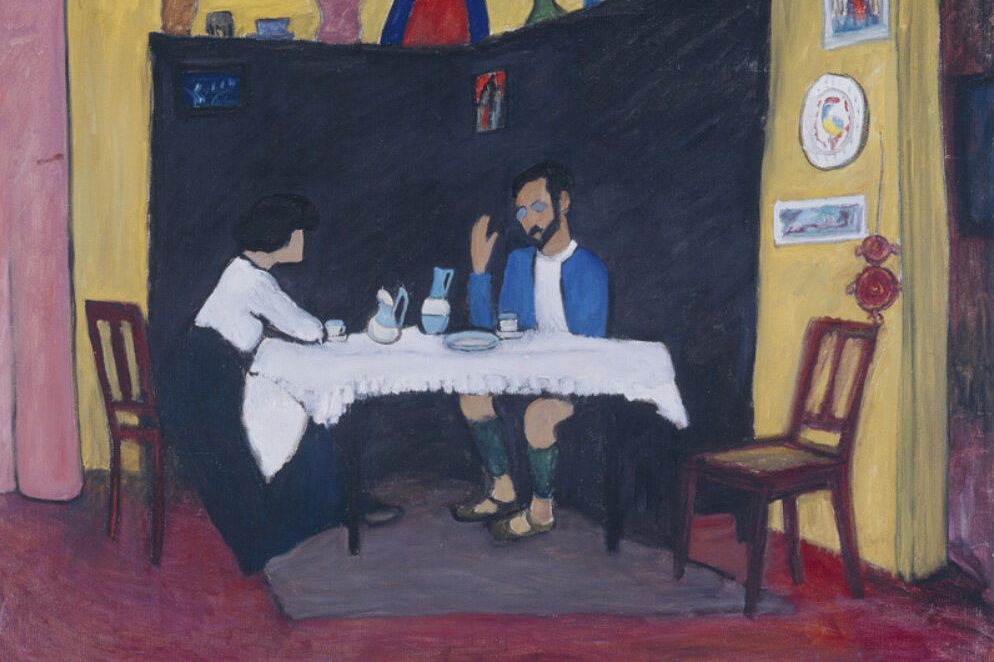
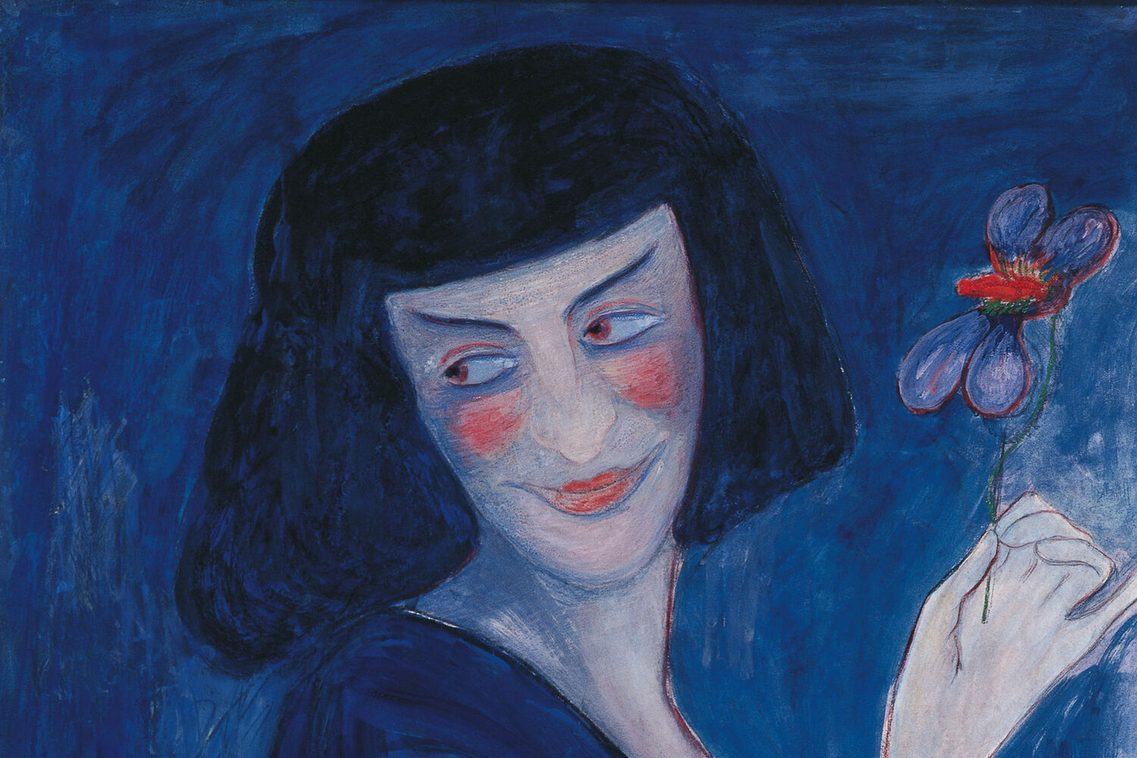
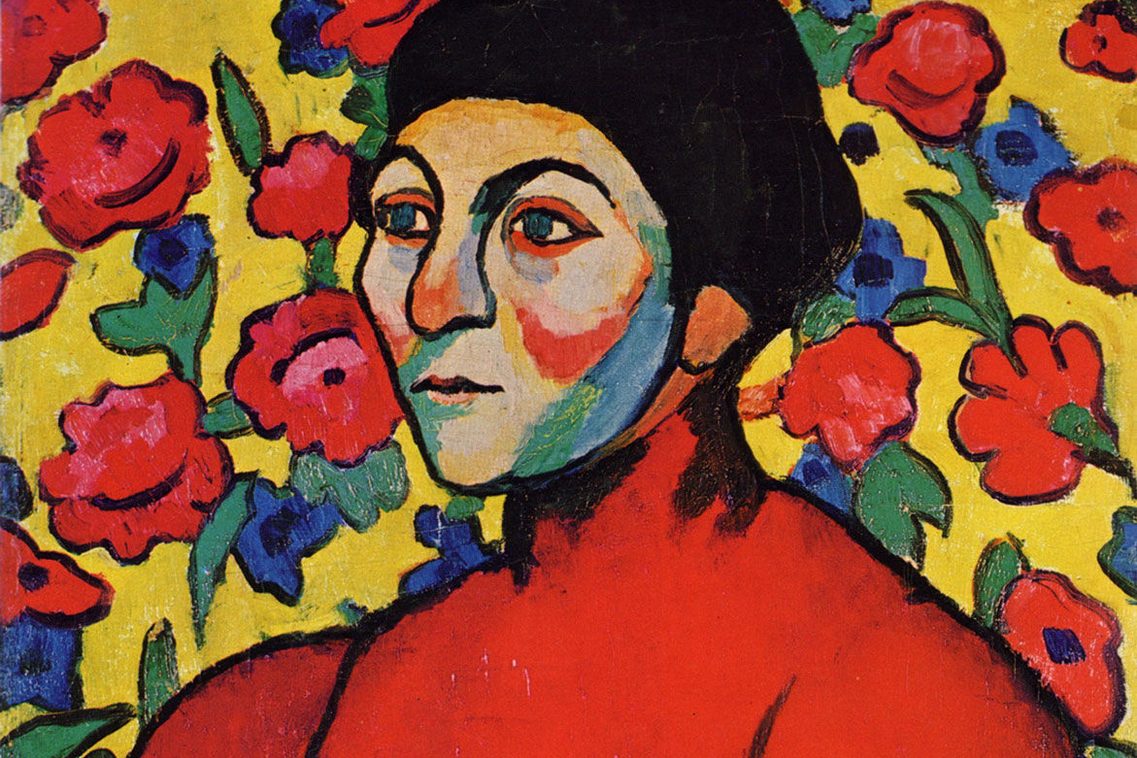
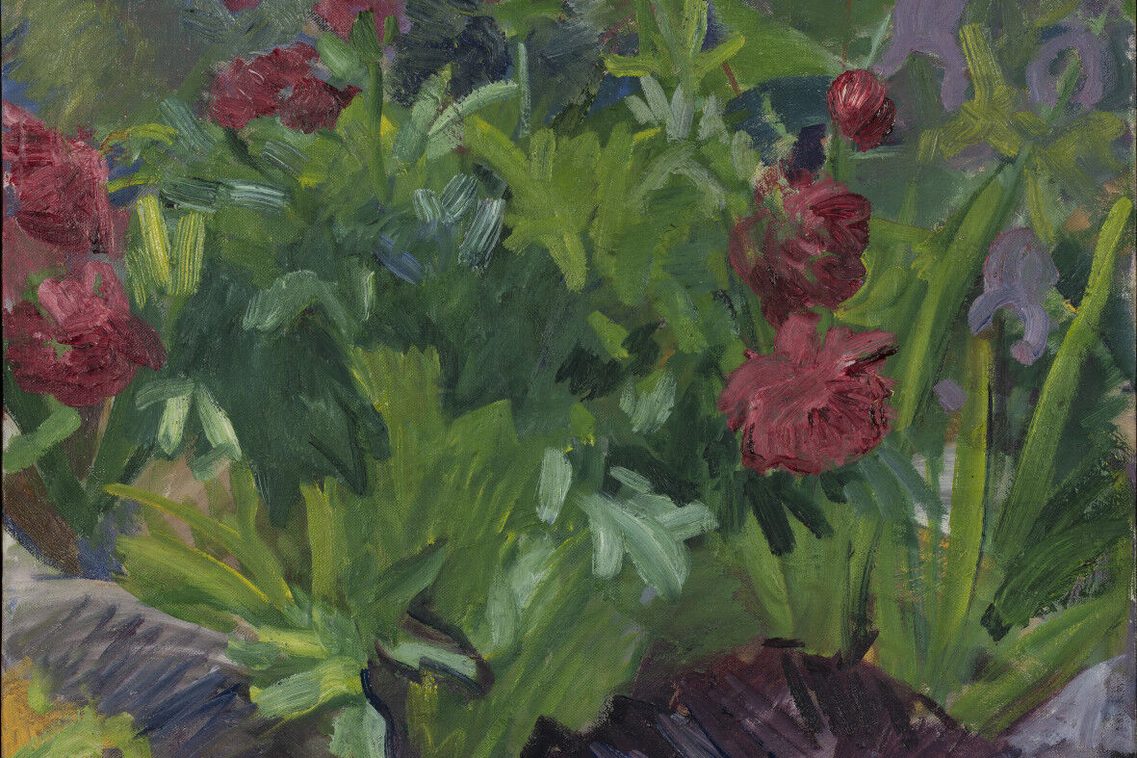
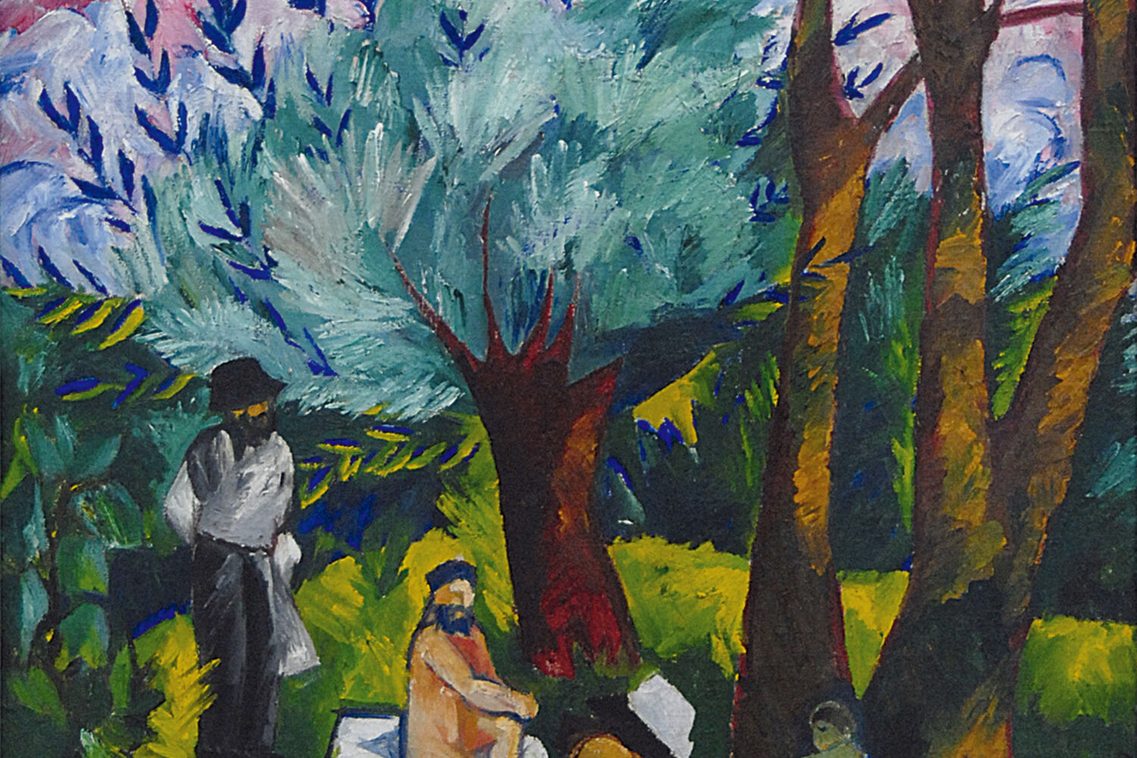
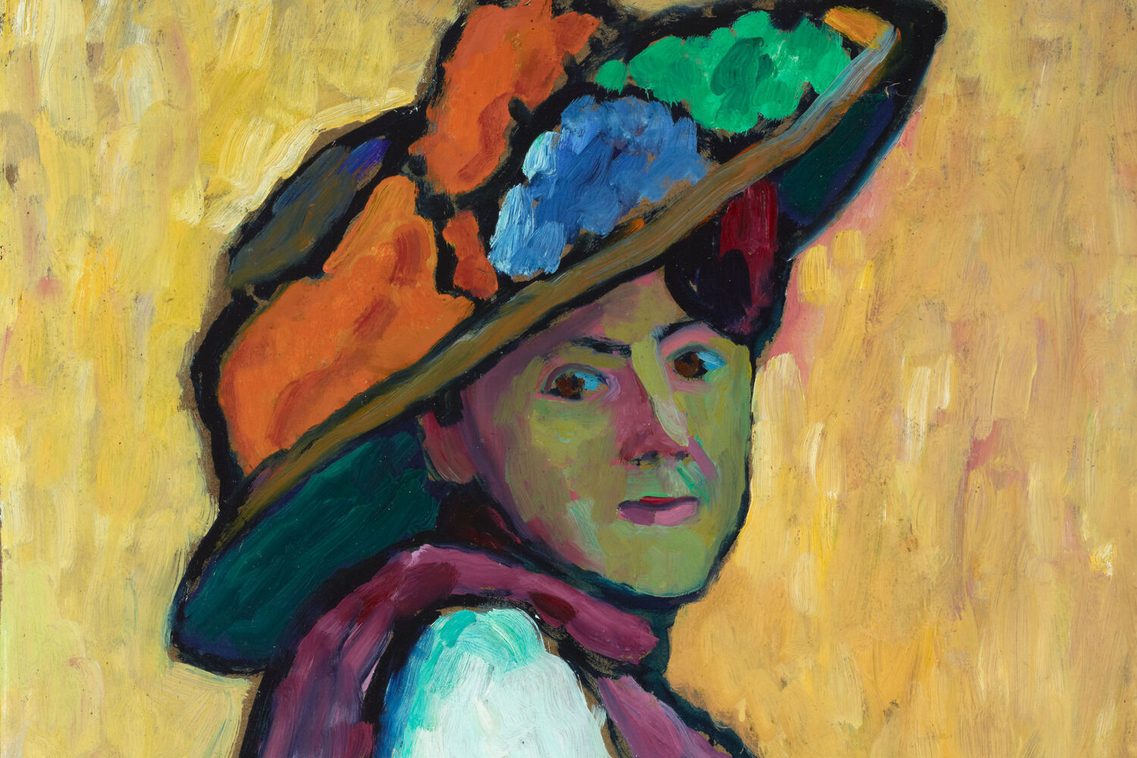
"Der Blaue Reiter," founded in Munich in 1911, was an association of artists who made a significant contribution to the development of modern art. What united the members was their desire and search for new forms of expression, as well as their goal of visualizing emotions while breaking away from realistic representation. The group’s openness is evident in the fact that women participated from the very beginning—a rather unusual occurrence for a time when women were often limited to taking private lessons because they were denied access to art academies. Women were permitted to study at the Munich Academy only between 1813 and 1839; thereafter, they were denied admission until 1920.
The Male-Dominated Image of *Der Blaue Reiter*
The fact that the artists’ group is primarily associated with its male members is due in no small part to the first Blue Rider retrospective in 1949 at the Haus der Kunst in Munich, which focused on the works of Wassily Kandinsky, Franz Marc, Paul Klee, and Alexej von Jawlensky. The female artists received significantly less attention and exhibition space—only Erma Bossi, Gabriele Münter, and Marianne von Werefkin were represented with a few works.
Marianne von Werefkin, 1905I'm not a man, I'm not a woman—I'm me.
Role Models and Questions of Identity
The women in the artists’ association played a pivotal role in this regard: As the exhibition at the Museum Wiesbaden (opens in a new tab) shows, it was primarily the female artists who maintained connections to France and Russia and enriched the artistic spectrum with themes that remain highly relevant today: Their paintings contain hints of the strategies they used to assert themselves in a male-dominated environment, strategies that shed light on gender roles and questions of identity—aspects that held less interest for the men in the group. Not least because of the women’s perspective, “Der Blaue Reiter” was a unique phenomenon among contemporary artists’ groups.
The “Rosa Salon”: In Saint Petersburg, Marianne von Werefkin was a master student of the famous realist painter Ilya Repin. Through him, she met Alexei von Jawlensky in 1892—who was four years her junior—and decided to mentor him. Together they moved to Munich in 1896, where they lived at Giselastraße 23 for 18 years until the outbreak of World War I. Here, Werefkin hosted the interdisciplinary “Rosa Salon,” where artists, musicians, politicians, and writers met regularly. The Museum Wiesbaden is incorporating the concept of the Rosa Salon into the exhibition’s accompanying program (opens in a new tab)accompanying program (opens in a new tab) with three fascinating discussions.
12 artists
The exhibition brings together the eight female artists who were represented in one of the three exhibitions of the “Neue Künstlervereinigung München” (1909, 1910, and 1911) or in one of the two exhibitions of the “Blauer Reiter” (1911 and 1912): Maria Franck-Marc, Gabriele Münter, and Marianne von Werefkin belonged to the “inner circle.” In addition, the artists Erma Bossi, Emmi Dresler, Elisabeth Epstein, Natalya Goncharova, and Carla Pohle also exhibited works in these shows. Elisabeth Erdmann-Macke, Else Lasker-Schüler, Sonia Delaunay-Terk, and Olga Meerson were very close to the “Blauer Reiter” circle and are therefore also featured in the exhibition.
Quellgeflüster Tip: In the *Zeit* podcast *Augen zu* (opens in a new tab), Giovanni di Lorenzo and Florian Illies discuss Marianne von Werefkin—one of the most important female painters of the modern era, who still remains in the shadow of her life and artistic partner, Alexej von Jawlensky. By the way: Since Jawlensky lived in Wiesbaden for a long time, there’s a dedicated Jawlensky Trail (opens in a new tab) through the state capital. The Museum Wiesbaden houses the world’s most significant collection of works by Alexej von Jawlensky. In the interview (opens in a new tab), you’ll find out what highlights await you!