
On the road in the ... Museum Reinhard Ernst
It happens all the time that a museum receives a work as a gift. It's rather rare for a city to receive a museum as a gift! The Museum Reinhard Ernst (mre), which opened at Wilhelmstraße 1 in June 2024, is a real stroke of luck for Wiesbaden - and for anyone interested in abstract art.
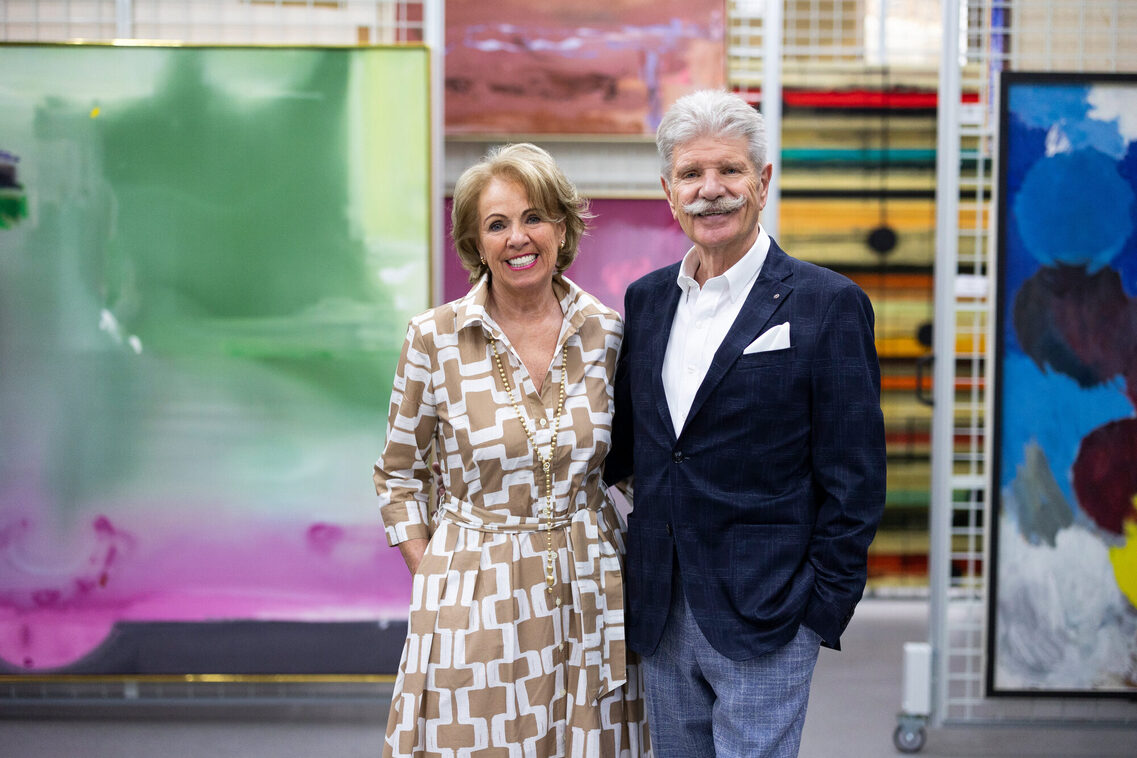
In this interview, museum founder Reinhard Ernst talks about his passion for non-representational art, the beginnings of the museum and why he believes that art has been part of our lives since childhood.
Why was Wiesbaden chosen as the location for the museum?
Reinhard Ernst: My wife was born in Wiesbaden, and we’ve been living in the state capital for 25 years. So this is our home. What could be better than the opportunity to build a museum in your hometown? After our original plans to build a museum of abstract art in Limburg—where my two companies are based—fell through, we began looking for a new location. We had already been on the lookout for a suitable location in Wiesbaden for some time. When a plot of land suddenly became available at Wilhelmstraße 1 and a referendum was held to decide how it should be developed, it made sense for us to reach out about our foundation and the museum project.
Reinhard ErnstWhat I particularly appreciate about abstract painting is that it doesn't give us any guidelines.
What does abstract art mean to you personally?
Reinhard Ernst: I’m a person who loves color, and I love immersing myself in abstract artworks: looking at the brushstrokes, observing the gestures and forms. What I particularly appreciate about abstract painting is that it doesn’t impose any rules on us. Everyone can see and discover whatever they want in it. Abstract art makes for wonderful conversation—it always provides something to talk about. For me, this kind of art is highly democratic.
Reinhard Ernst about Fumihiko MakiWhat sets it apart is its incredibly sophisticated design, which is at the same time very understated, almost simple.
The museum building was designed by Japanese architect Fumihiko Maki—what do you have in common with him?
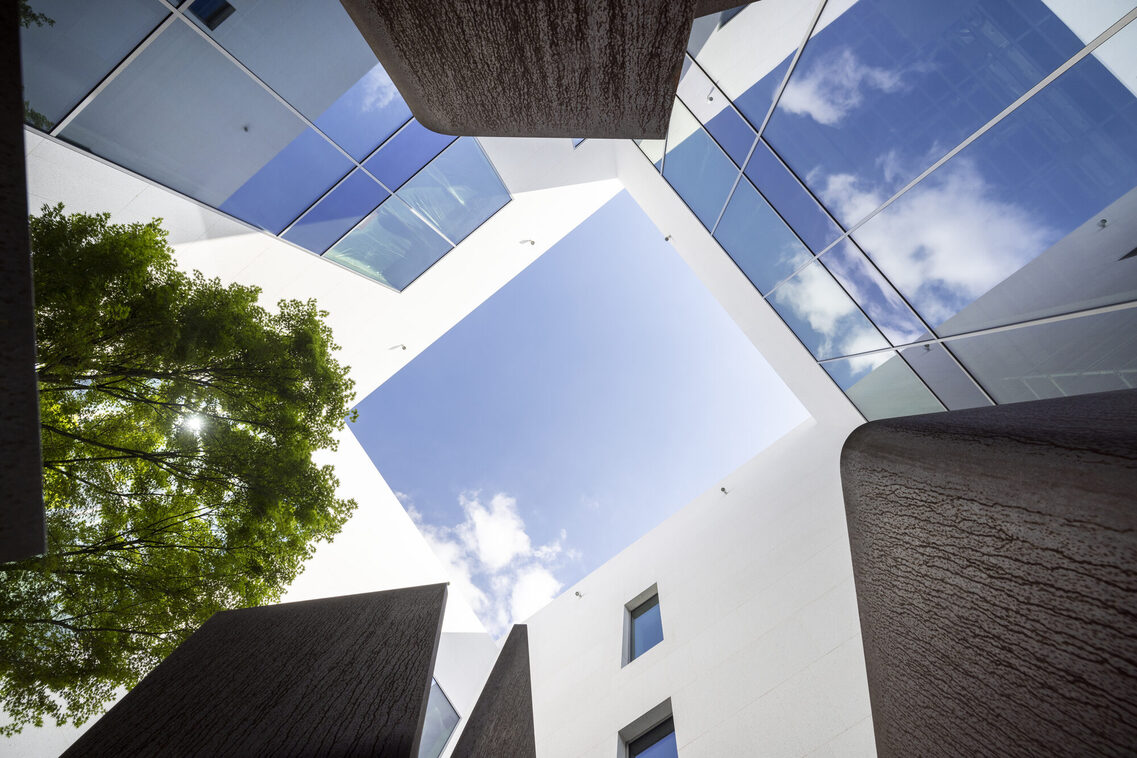
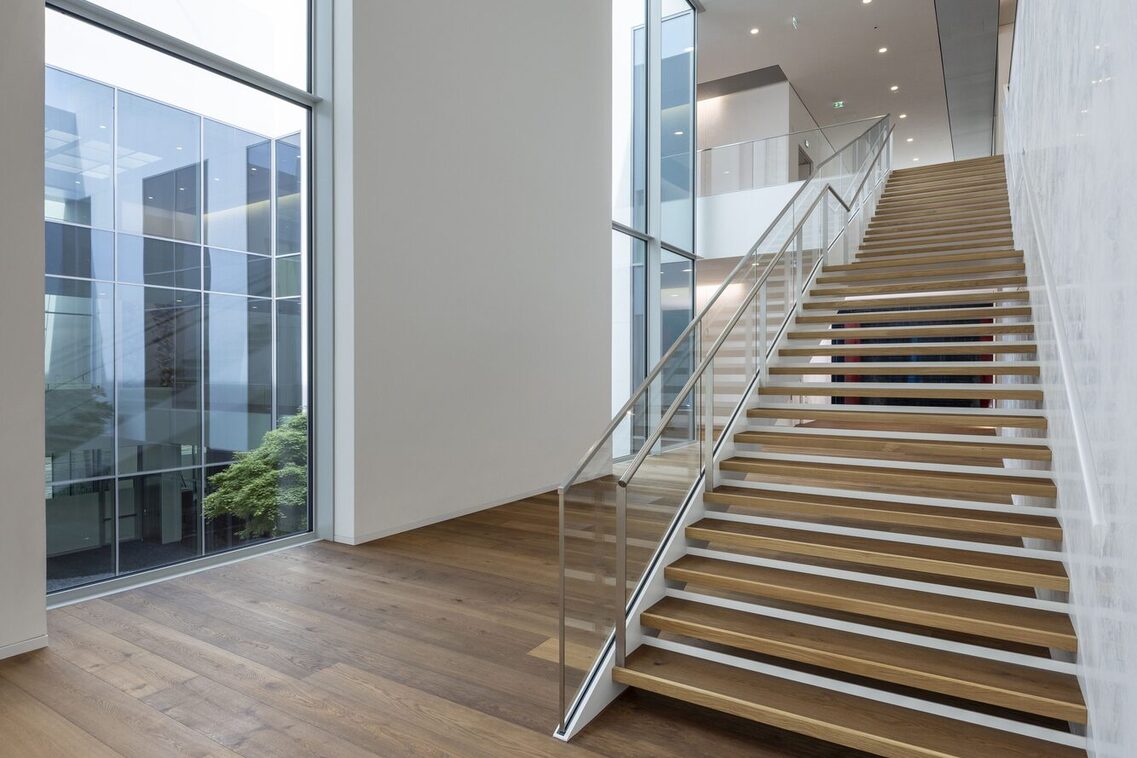
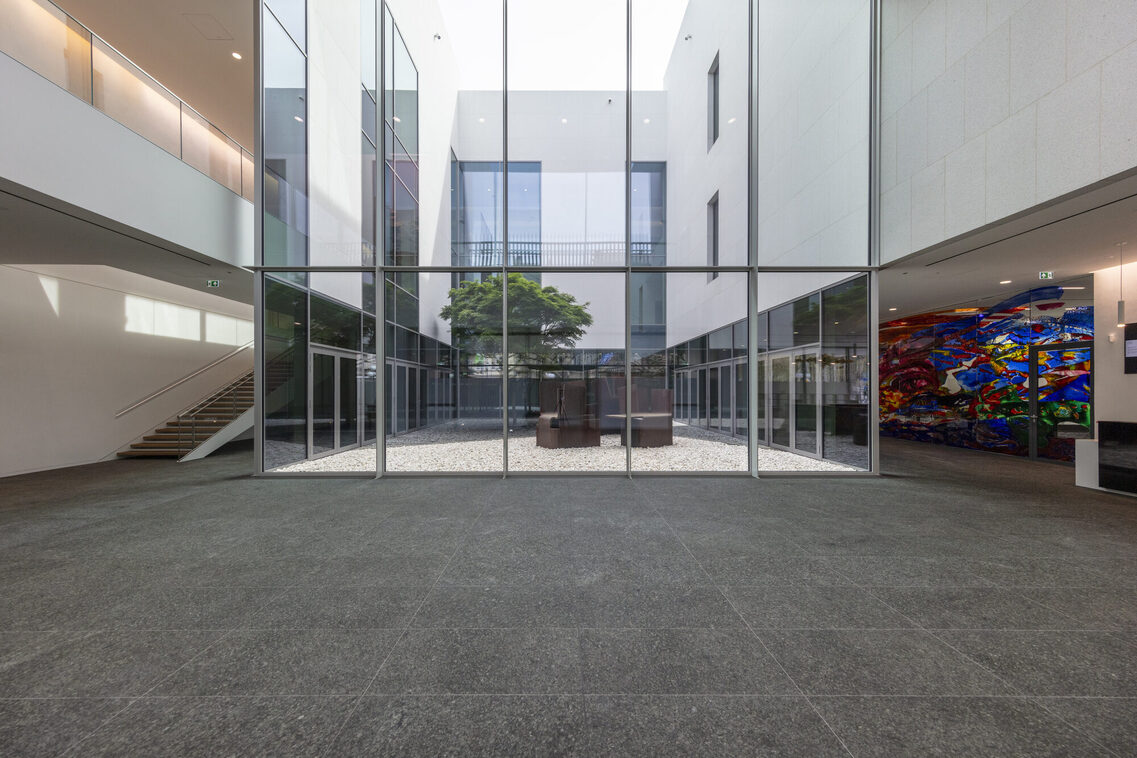
Reinhard Ernst: We met Fumihiko Maki many years ago at a birthday party thrown by mutual friends in Tokyo. We hit it off right away. Since our first meeting, I’ve visited many of his buildings in Japan with him over the years. What sets him apart is his incredibly sophisticated design, which at the same time comes across as very understated, even simple. The concept of “human-centered architecture” is a guiding principle for Maki. Many architects use their buildings to erect a monument to themselves—but not Fumihiko Maki. He respects the client’s wishes and refrains from flaunting his status. There is no such thing as a “MAKI building.” This is where he differs from other great architects.

After the devastating tsunami that claimed countless lives in Japan, I contacted Maki. My wife and I wanted to help. We wanted to do more than just donate money. So, together with Fumihiko Maki, we built the House of Hope in Natori, a town that was severely affected by the tsunami. An entire district where many fishermen lived was simply washed away. Many children and grandparents were suddenly left on their own. The House of Hope is a gathering place for children and the elderly. Maki was immediately willing to carry out this project without charging any fee; that was our first collaboration, one that has kept us closely connected ever since.
What kind of building did you have in mind for Wiesbaden?
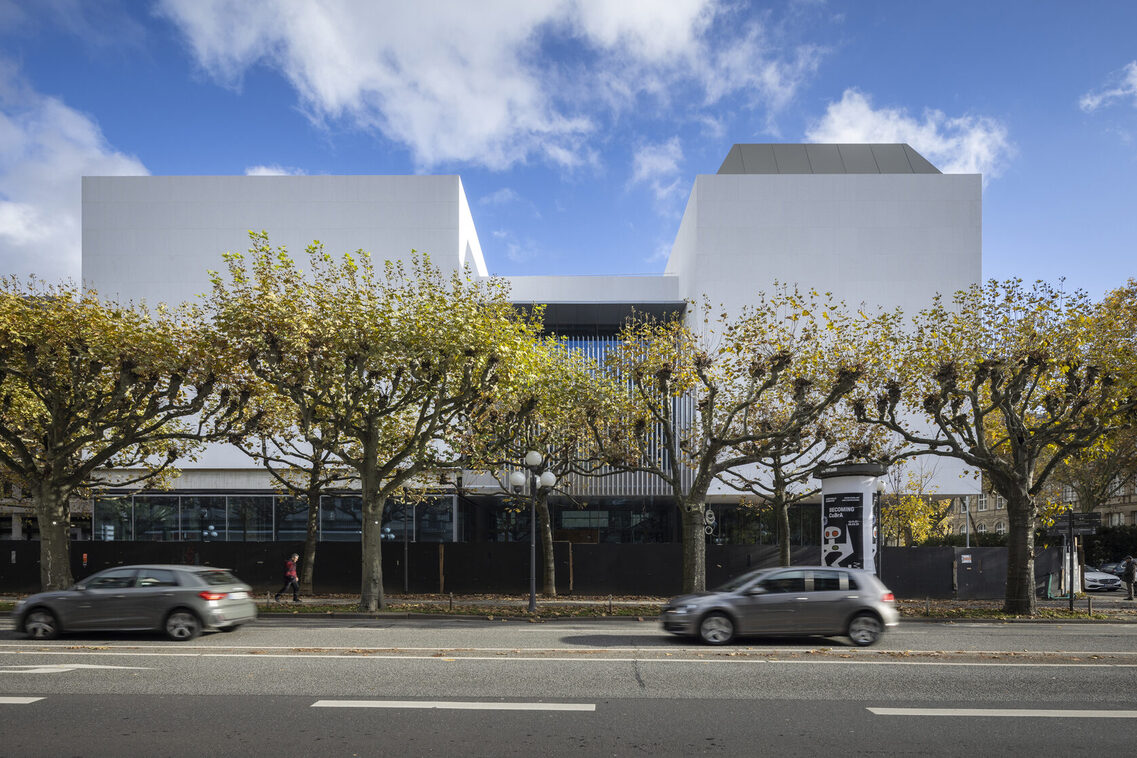
Reinhard Ernst: The planning phase for our museum took about three years. The city provided a number of guidelines that we took into account, and which our architect ultimately considered a given. The address Wilhelmstraße 1 is the starting point of the historic main thoroughfare leading into the city center. The museum was intended to revitalize the corner and was to be built on the very spot where the Grand Hotel Victoria, which was destroyed during the war, once stood. My vision was for a modern, distinctive building that would blend well with the historic inner-city architecture. Maki succeeded wonderfully in achieving this.
Reinhard ErnstAbstract works of art puzzle us. We don't have to solve them.
How can you prepare for a visit to the mre?
Reinhard Ernst: You should be prepared to open yourself up to an artistic experience that is out of the ordinary. And you should try to let go of the idea that you can “read” or even “understand” a work of art. Abstract artworks present us with puzzles. We don’t have to solve them. Some works speak to us immediately—evoking associations. I’m moved by the sometimes incredible color gradients and often by the juxtaposition of colors. The extraordinary color combinations of Helen Frankenthaler or the swirling dynamism of a K.O. Götz. Abstraction gives me the freedom to see what I want to see. You can learn to view art this way, regardless of your education or age.
Which works should you definitely not miss during a visit?
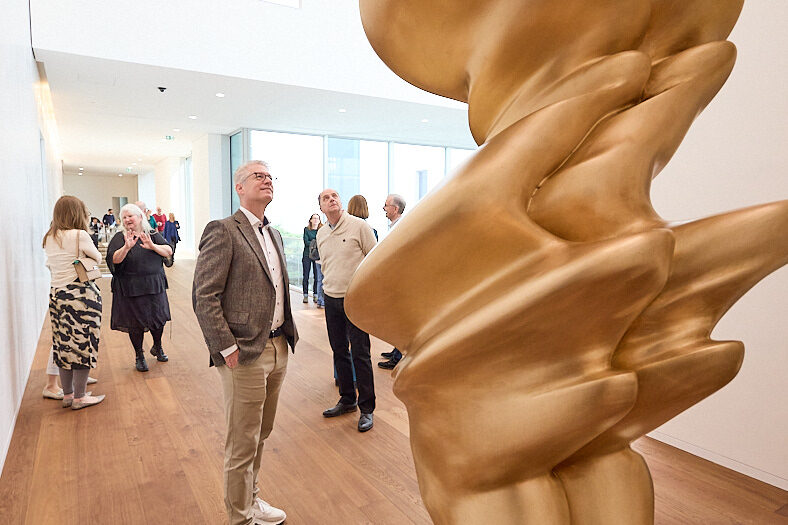
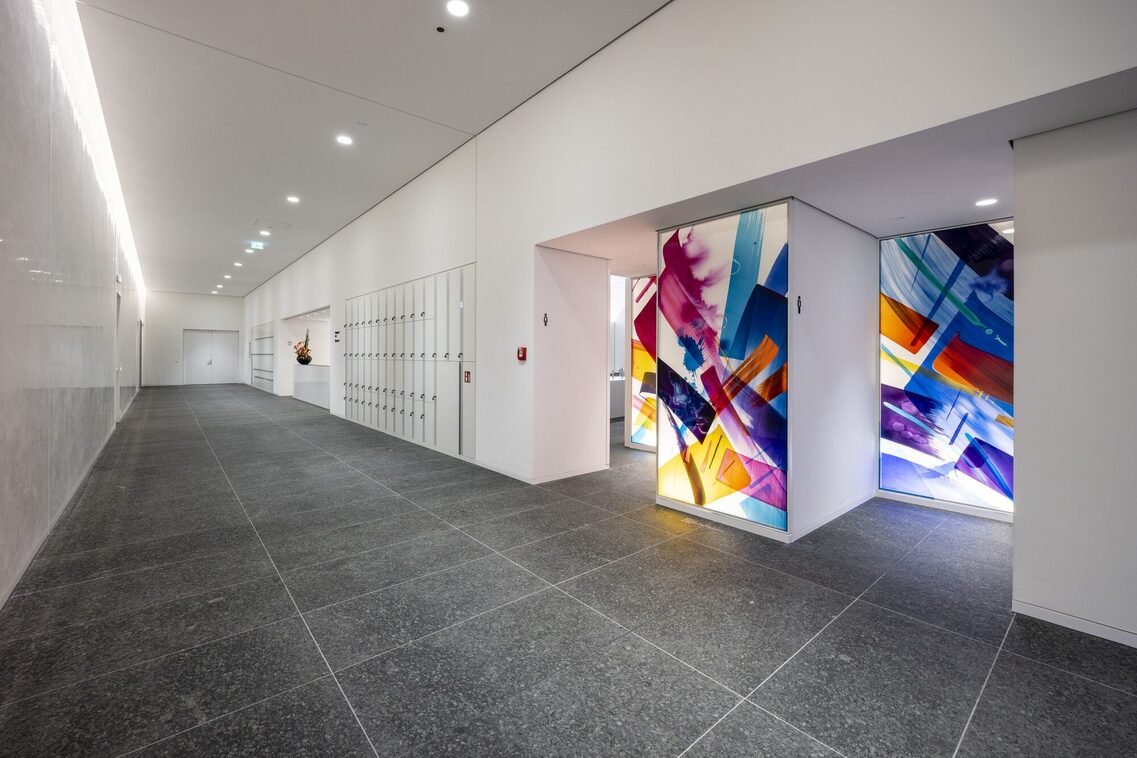
Reinhard Ernst: The building and the artworks together form a total work of art. It’s best to take your time exploring everything: starting with the basement, where Mad C’s *Wandering Clouds* transform the restrooms into a walk-in work of art, through the four rooms of the special exhibition “Helen Frankenthaler moves Jenny Brosinski, Ina Gerken, Adrian Schiess,” all the way up to the second floor, where our visitors can admire Frank Stella’s exp” all the way up to the second floor, where our visitors can admire Frank Stella’s expansive reliefs and large-format works by artists such as Toshimitsu Imai and Friedel Dzubas.
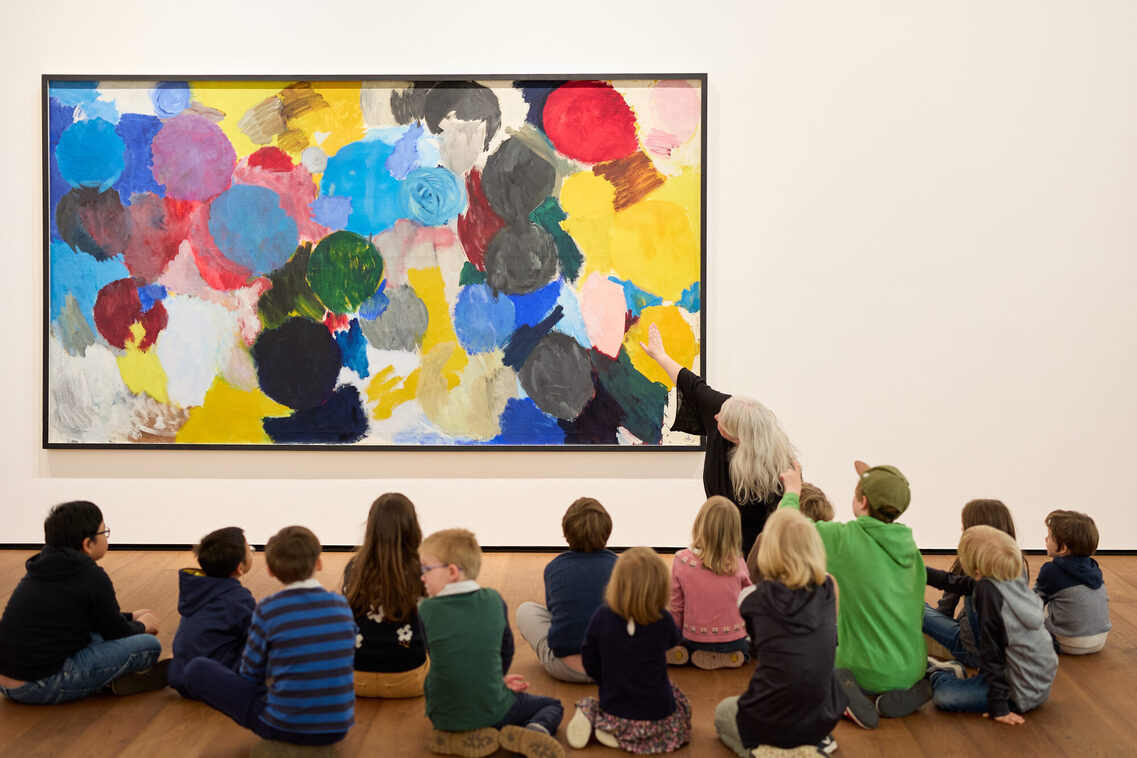
Reinhard ErnstI am also firmly convinced that our museum will succeed in awakening creativity in children.
The support of children plays a special role in the mre...
Reinhard Ernst: I myself had no exposure to art as a child. Born shortly after World War II, I had a happy but also difficult childhood. There was no art in our home or at school. I also had no exposure to museums; no one had introduced me to them. I deeply regret that today. So I didn’t visit museums for the first time until I was an adult, mostly on Sundays when I didn’t have business appointments. The art I got to see—not just abstract art, though I developed a preference for that later—moved me deeply. It then became my wish to give young people the opportunity that I was denied as a child.
I’m also firmly convinced that, with our museum, we can succeed in sparking creativity in children—creativity that we need more than ever in our country. We have an extensive program for children and teens—there’s a kids’ tour in the Mediaguide for them, we offer various workshops, and our Color Lab is very popular. All of these offerings can be found on our website under “Learn and Experience.”
Looking back after more than a year, what conclusions do you draw?
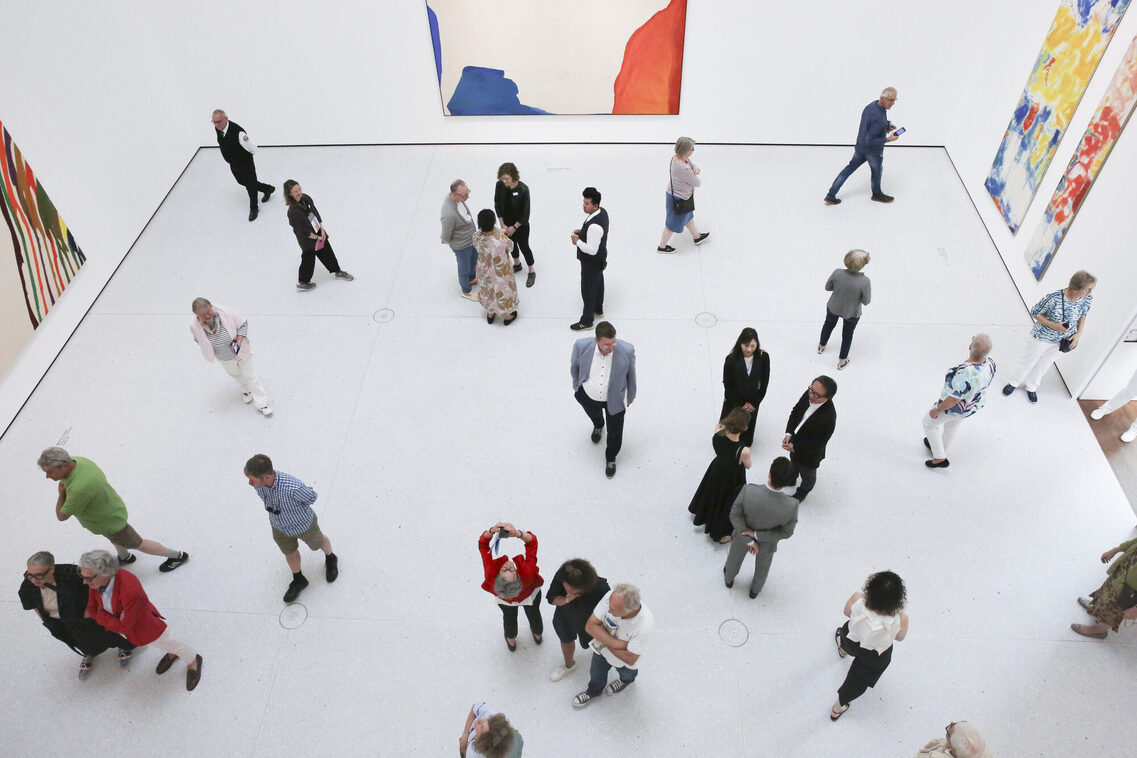
Reinhard Ernst: Since we opened in June 2024, we have welcomed more than 200,000 visitors to the museum. Some of them travel from very far away to see our museum and the exhibitions. It fills me with great joy that the museum has been so well received. But I’m especially pleased that this year we’ve welcomed nearly 780 school groups and around 10,500 children and young people under the age of 18 to our museum.
Good to know:
- Don’t miss: the six-part, incredibly well-produced storytelling podcast “FRANKENTHALER” (opens in a new tab)
- In the mornings, museum visits are reserved exclusively for school groups and educational institutions.
- 2 museums. 2 days. 1 discount (opens in a new tab): When you purchase a full-price ticket at the Museum Wiesbaden or the Museum Reinhard Ernst, you receive discounted admission to the other museum. This “neighborhood discount”—the two museums are right next to each other—is valid on the day of purchase and the following day.
- Always worth it—a guided tour (opens in a new tab) of the mre!