Vision: PRESERVE PASSION.
After careful selection, authentic information on the past and present of the state capital of Wiesbaden is transferred to the Wiesbaden City Archive, stored securely and in compliance with data protection regulations, and made accessible to everyone. In doing so, we are guided by five ideas.
1. We are passionate about the digital transformation of archives and public administration. Within our sphere of influence, we are actively driving the digitalization process with a commitment to leadership. In doing so, we collaborate successfully and as equals with our partners both within and outside the city administration, striving for solutions that are streamlined and beneficial to all involved.
Since 2020, we have fully transitioned key work processes and the administration of our reading room services to digital processes. With the introduction of a new archival information system, our finding aids are now fully available in digital form and can also be searched via metadata portals. We have contributed our expertise to key IT processes at the Cultural Affairs Office, such as the launch of the City of Wiesbaden’s cultural channel on social media.
By 2030, we will continue on this path, successfully implement the new e-file system for the state capital of Wiesbaden, create digital payment options for fees, and handle all written communication with citizens entirely digitally. In doing so, we will leverage the opportunities offered by AI applications.
2. We are passionate about protecting cultural heritage and preserving the historical treasures entrusted to us. We face the challenges of preserving original artifacts in the face of crises and conflicts with determination and confidence. We professionally manage risks to the cultural heritage in our care and to the services we provide—whether posed by natural disasters or other external threats—through the best possible preventive measures.
Since 2020, we have organized ourselves within the Wiesbaden Emergency Response Network to prepare for potential incidents and have reinforced our building against hazards such as fires and external threats. As the archive of a municipality with more than 100,000 residents, we are considered critical infrastructure under the Hessian KRITIS Overview, and we have trained our staff through courses at the Federal Academy for Civil Protection and Civil Defense, among other initiatives.
By 2030, we will further strengthen the resilience of our institution within the emergency response network and prepare ourselves as best as possible for extraordinary incidents. We will develop emergency plans, build up tactical reserves for emergency response, and conduct regular drills for incidents. To this end, we will participate in regional and national emergency preparedness networks and further train our staff.
3. We are passionate about our city’s history. We are the recognized center of expertise on Wiesbaden’s history and transform the city archives, as well as our city’s memorials and sites of remembrance, into places where people can authentically engage with history. Through engaging programs and a wide range of partnerships, we contribute to an active, vibrant, and critical exploration of the past and of our city’s art and culture.
Since 2020, we have made the research findings we have produced—such as the Wiesbaden City Encyclopedia—freely available in digital form for urban historical research. We have conducted scholarly research on new and previously under-explored topics, such as the history of migration or the biographies of the figures after whom our city’s streets are named, and have shared these findings with the public through various formats.
We will continue these efforts through 2030 and make additional works on the city’s history—including those that are out of print—available digitally and free of charge. We will continue to identify and research gaps in urban historical research. Our professional loyalty is to the free democratic basic order and the democratically elected political decision-making bodies of our city. We place our expertise at the service of the citizens.
We actively bring historical insights into urban society. In doing so, we also view “historical learning” as an opportunity to break down barriers to accessing the archives. We will therefore expand our analog and digital educational offerings for archives and memorial sites to improve participation and access to information on the city’s history for all interested parties, especially children and young people.
4. We are passionate about our professional work and serving our users. We possess a high level of archival expertise and provide our users with exceptional service. We develop innovative solutions to the challenges of practical archival work and actively contribute to shaping relevant committees, professional associations, and organizations in the fields of archival and memorial work.
Since 2020, with additional staff, we have significantly reduced response and processing times for inquiries, reorganized our processes, and introduced options for submitting requests digitally. We have also, for the first time, begun operating as a training archive ourselves. We have adopted modern cataloging and digitization principles, revised the rules of use and the bylaws, and developed new forms of cataloging organization, such as cataloging sprints. We have created the opportunity for our users to independently create digitized materials. In addition, we have improved the working conditions in the reading room through Wi-Fi and modern user technology.
By 2030, we will professionally evaluate our service offerings, opening hours, and services and initiate steps toward further optimization. The goal is to further sharpen our focus on service. We will increasingly use standard data in cataloging, significantly expand the availability of digitized materials, and further develop innovative cataloging concepts such as the cataloging sprint we designed.
5. Our passion for our work is reflected in the way we collaborate. We implement our specialized and cross-functional projects successfully, on time, and with agility. We draw our strength from the diversity of our employees. We are united by our enthusiasm for and high standards in what we do, as well as our goal of continuous improvement. We make the most of the opportunities offered by our location, our city administration, and our professional network.
Since 2020, we have successfully completed a generational transition and overcome the challenges it presented. We have established new channels for regular communication and reorganized our collaboration. We have built mutual trust and resolved conflicts through honest dialogue.
By 2030, we will focus our resources on what is feasible and creatively address shrinking budgets and challenges such as staff shortages. In doing so, we embrace change and overcome mental barriers with creativity. We deal openly with professional mistakes. We analyze inevitable setbacks self-critically, but without assigning blame, in order to continuously improve. We communicate honestly, openly, and transparently both internally and externally, even—and especially—when we make mistakes.
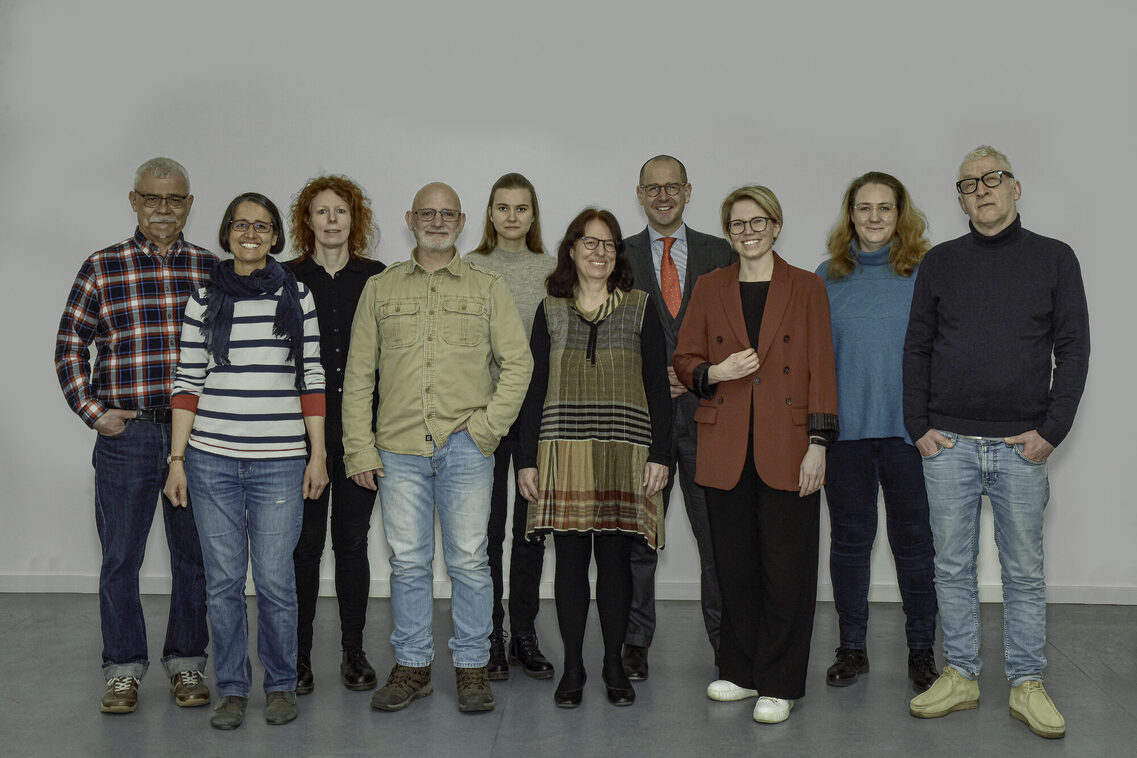
The vision was developed during three workshops attended by City Archives staff in the summer of 2025 and early 2026, and it replaces Vision 1 of the Wiesbaden City Archives, which was developed in 2020.
Our current and all previous vision statements as PDF files
Contact us
City archive
Address
65197 Wiesbaden
Postal address
65029 Wiesbaden
Arrival
Notes on public transport
Public transportation: Bus stop Kleinfeldchen/Stadtarchiv, bus lines 4, 17, 23, 24 and 27 and bus stop Künstlerviertel/Stadtarchiv, bus line 18.
Telephone
- +49 611 313022
- +49 611 313977
Opening hours
Opening hours of the reading room:
- Monday: 9 a.m. to 12 p.m.
- Tuesday: 9 am to 4 pm
- Wednesday: 9 am to 6 pm
- Thursday: 12 to 16 o'clock
- Friday: closed